




AruVFX is a boutique visual effects studio based in Mumbai, working across feature films, series and original storytelling. Its production environment brings together multiple specialized teams and a large volume of project, shot, media and version data.
The challenge was not simply to introduce another production tool. The existing workflow needed to become easier to manage across departments while giving production and supervision teams better visibility into what was happening across a project.
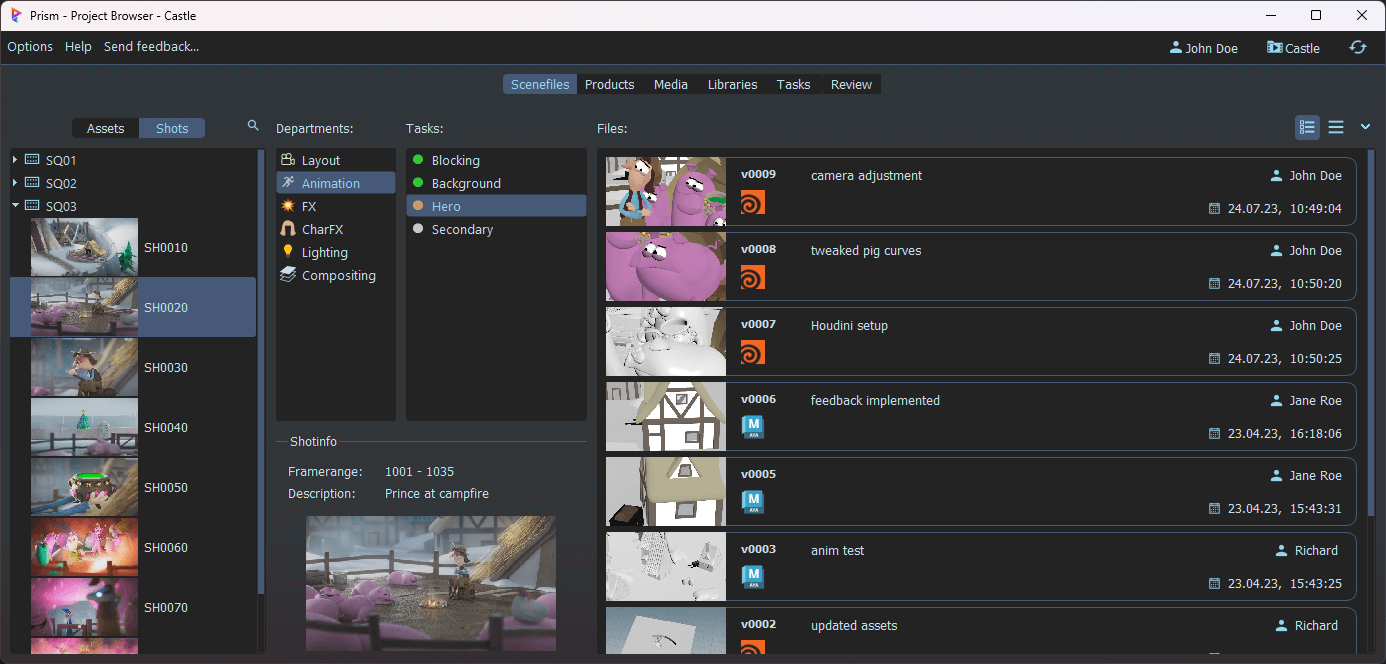
Insigmatic worked with AruVFX to integrate and customize Prism Pipeline around its Nuke-based workflow. The work focused on adapting the pipeline to the way the studio actually operated rather than forcing the team into a generic production-management process.
Custom plugins and workflow extensions were developed as specific requirements emerged. These helped address areas such as project and shot organization, version management, team coordination, controlled file access, local file handling, automated backups and production tracking.
The result was a more structured production environment where artists, supervisors and production teams could work from a more consistent workflow instead of relying on disconnected manual processes.
AruVFX is a Mumbai-based boutique visual effects studio specializing in feature films, series and original storytelling. The studio works with filmmakers to take visual ideas from production through to the finished screen.
Its work involves multiple specialist disciplines and a production process where shots, versions, media and approvals need to move reliably between people and departments.
As the studio's production workflow became more demanding, the need for a structured pipeline became increasingly important. The Prism Pipeline project was undertaken to bring greater consistency and control to that operational layer while keeping the workflow practical for the artists and production teams using it.
The production team was managing several parts of the VFX workflow manually. Projects, shots, reels and versions required ongoing coordination, while different departments had to stay aligned as work moved through stages such as Roto, Prep, Comp and Paint.
This created several operational challenges.
Production teams needed a clearer way to organize and track work. VFX Supervisors needed better visibility into project progress. Artists needed controlled access to the files relevant to their work without having to manually manage every transfer between central storage and local systems.
There was also a significant administrative burden around production tracking. Line Producer information maintained through Excel spreadsheets required manual updates and coordination, making it harder to keep operational information synchronized with the actual state of production.
The opportunity was therefore broader than file management. AruVFX needed a more connected workflow where production information, files, versions and departmental progress could be managed in a more consistent way.
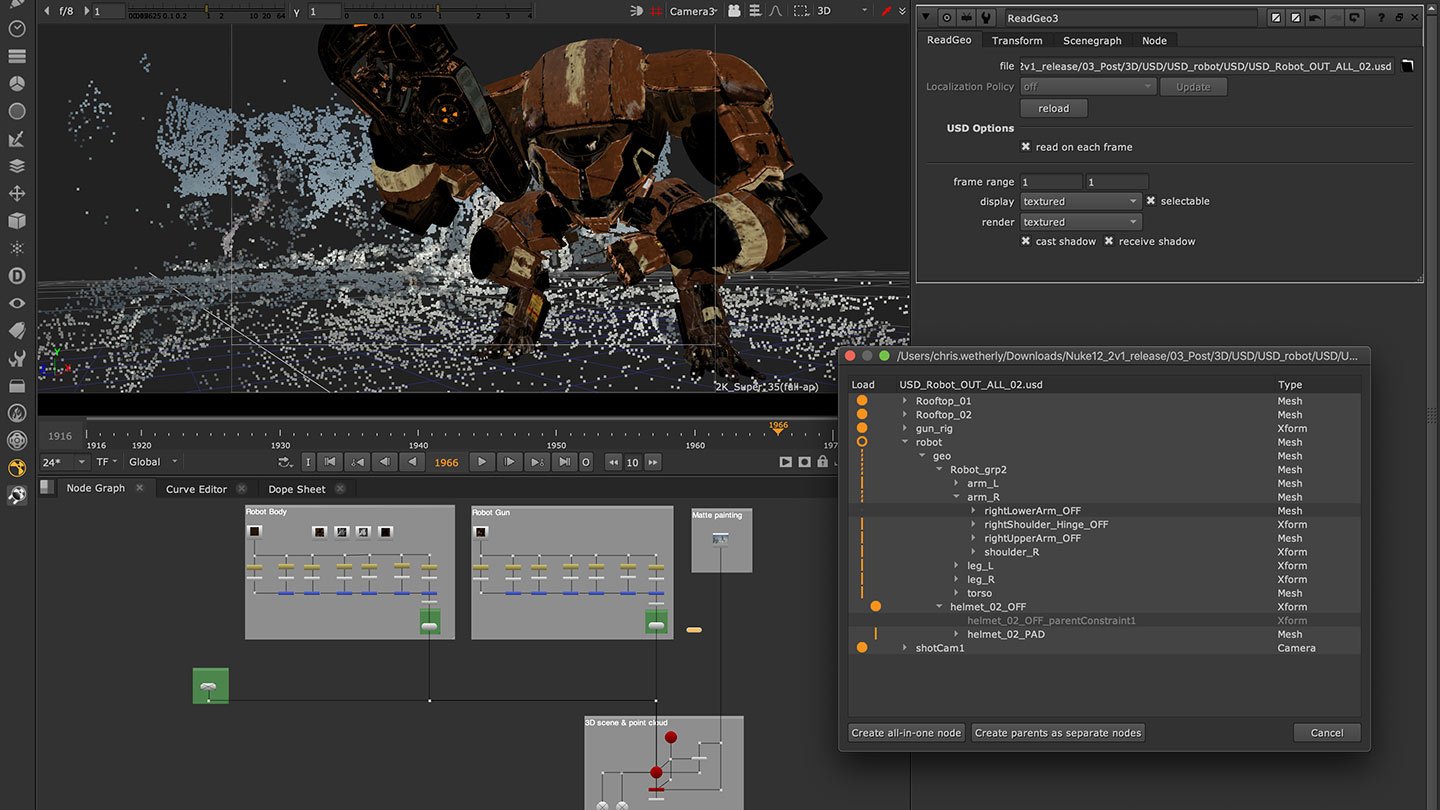
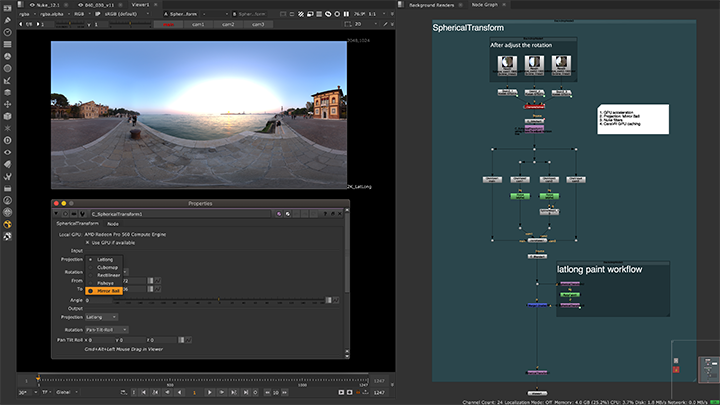
Insigmatic integrated Prism Pipeline with AruVFX's Nuke-based production workflow and customized it around the studio's operational requirements.
Rather than treating Prism as an off-the-shelf installation, the workflow was adapted to address the specific ways AruVFX needed to manage projects, shots, reels and versions.
The workflow provided a more consistent way to organize project and shot information, reducing the dependence on manually maintained structures and making production data easier to follow across departments.
The customized workflow helped connect the work performed by teams such as Roto, Prep, Comp and Paint. The objective was to make handoffs and progress easier to track while giving production and supervisory teams a clearer view of the overall project.
Prism's Nuke integration became part of the production workflow, allowing project and media management activities to be brought closer to the environment where artists were actually working.
This reduced the need to treat production management and creative software as completely separate systems.
AruVFX also needed a practical way of managing project files between central server storage and local artist systems.
The customized workflow addressed controlled access to required project files and automated file handling so that artists could work with the appropriate local resources without having to manually manage every transfer.
Backup handling was incorporated into the workflow to reduce reliance on individual users remembering to perform repetitive backup tasks.
The intention was straightforward: make file protection part of the process rather than leaving it entirely to manual discipline.
One of the more operationally important areas was the Line Producer's spreadsheet-based tracking.
Instead of relying entirely on manually maintained Excel information, the workflow was customized to automate parts of this production tracking process and bring it closer to the underlying project workflow.
Custom plugins and extensions were developed as required by the production problems identified during the project.
This allowed the pipeline to evolve around actual studio requirements rather than limiting the team to the functionality available in a standard Prism setup.
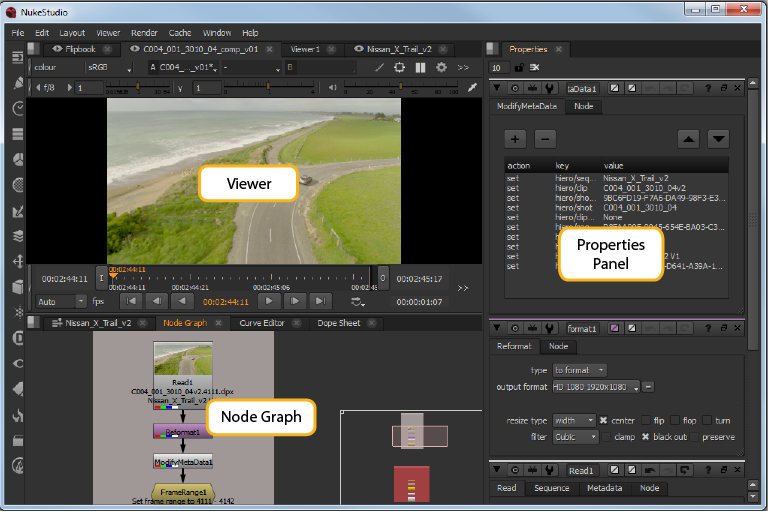
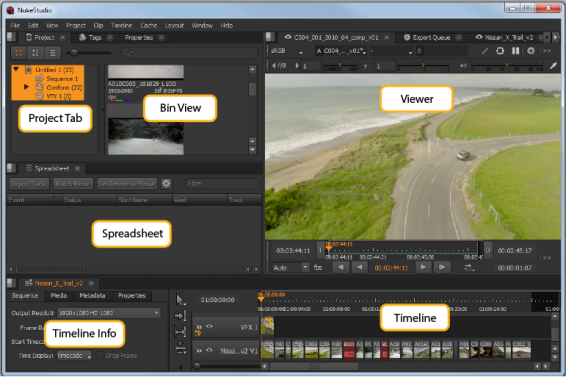
The main outcome was a more structured production workflow for AruVFX.
Project and shot information could be managed more consistently, while artists and production teams had a clearer operational framework for handling work across departments.
The customized pipeline also reduced dependence on several repetitive manual activities, particularly around file handling, backups and production tracking.
For VFX Supervisors and production personnel, the workflow provided better visibility into project progress and helped bring different stages of production into a more connected process.
For artists, integrating the workflow more closely with Nuke meant that production-management tasks could sit closer to the tools and files they were already using.
The value of the project was therefore not one isolated feature. It was the creation of a more controlled production environment where project information, files, versions and departmental workflows could work together more consistently.
No specific percentage improvement or financial saving is stated because measured performance data from the project is not available.
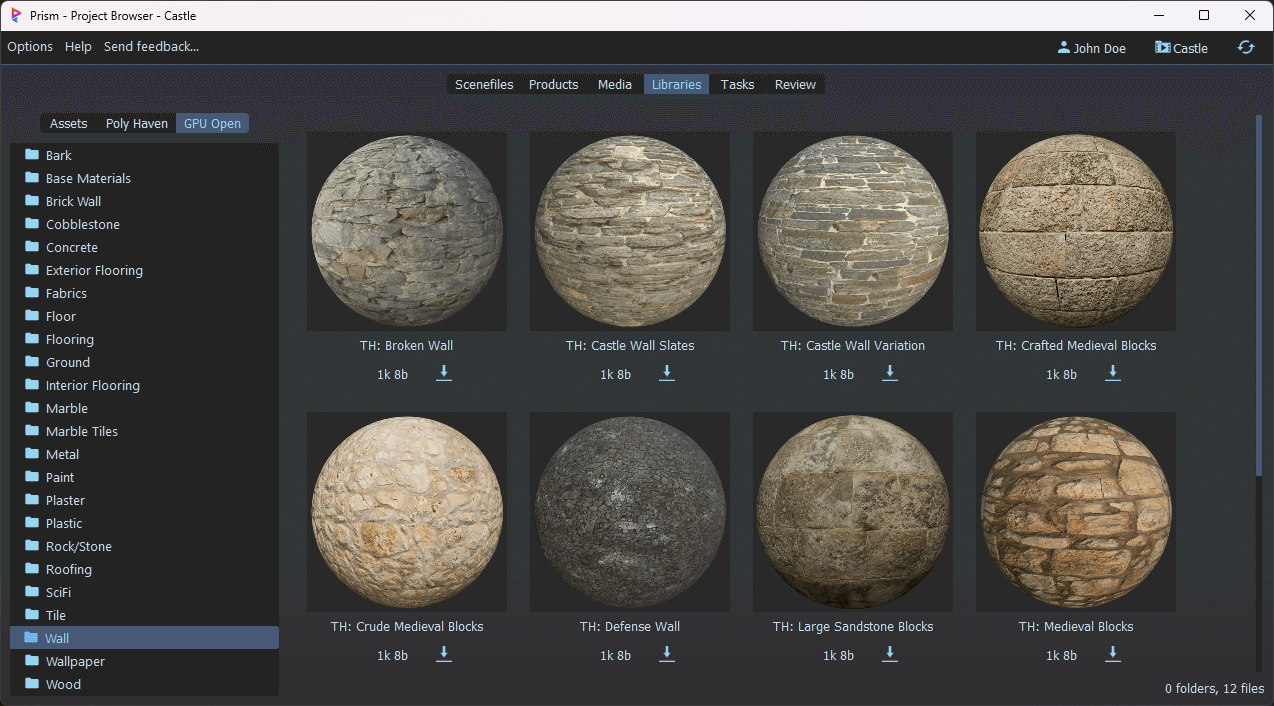
The AruVFX project demonstrates where production software becomes most useful when it is adapted to the way a studio actually works.
Prism provided the underlying pipeline framework, but the important part of the engagement was customizing that framework around AruVFX's production requirements.
By connecting project and shot management more closely with Nuke, improving file handling and backups, supporting departmental coordination and reducing manual production tracking, the workflow gave the studio a more consistent foundation for managing VFX production.
The project also reinforced an important principle: production tools deliver the most value when they fit the team's existing processes while removing the repetitive work that gets in the way of production.